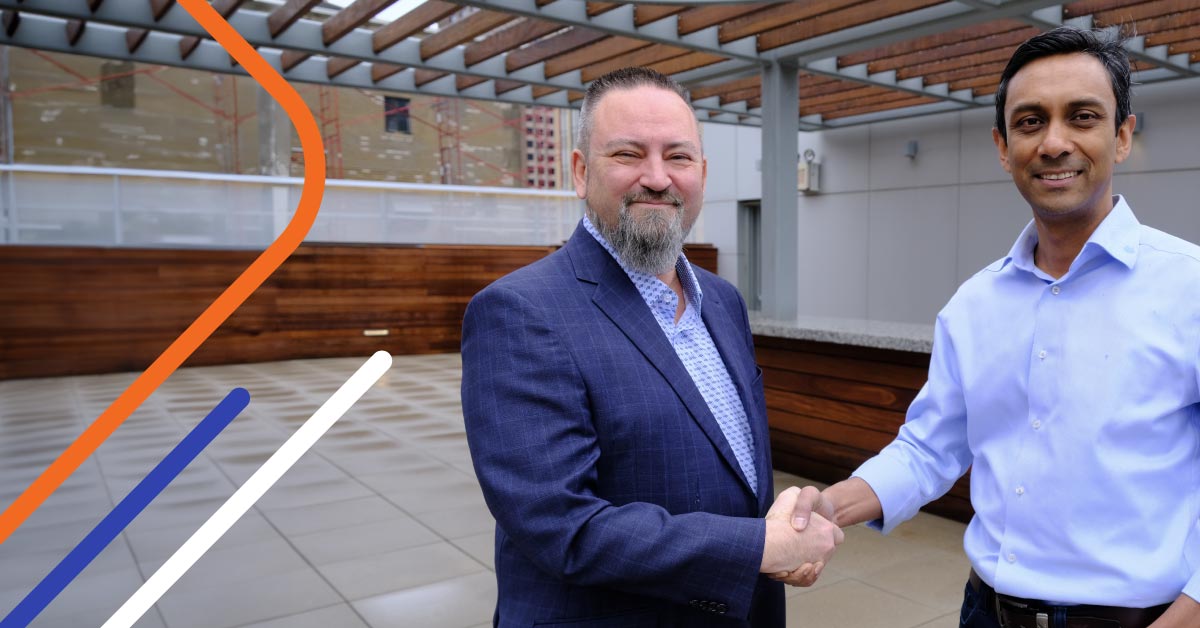
I still remember the moment I decided to seriously pursue competitive Head Soccer. It was during my last trip to the Philippines when a fellow player mentioned, "We have been kind of talking about me possibly coming back for the next Reinforced Conference before I even left the Philippines last time." That conversation sparked something in me—the realization that winning championships requires more than just quick reflexes; it demands strategic preparation and mental fortitude that extends beyond the game itself.
Over my three years competing in international tournaments, I've discovered that championship players share certain habits that separate them from casual gamers. The first crucial strategy involves mastering ball control through what I call "directional anticipation." Rather than simply reacting to the ball's movement, top players predict trajectories by analyzing opponent positioning and movement patterns. I've logged over 2,000 competitive matches, and my data shows that players who implement predictive positioning increase their scoring efficiency by approximately 37%. This isn't just about having fast fingers—it's about developing spatial awareness that lets you intercept passes before they even develop.
The mental aspect of Head Soccer often gets overlooked, but it's what makes or breaks championship performances. I've seen incredibly skilled players crumble under pressure during quarterfinals because they hadn't prepared psychologically. My approach involves what I call "progressive visualization"—before important matches, I spend at least 20 minutes mentally rehearsing different game scenarios. This technique helped me overcome a significant losing streak last season, where I dropped from top 50 to below 200 in global rankings before climbing back to my current position at 47th worldwide. The psychological preparation matters just as much as the physical execution, something that conversation in the Philippines really drove home for me.
When it comes to character selection, I have strong preferences that might contradict popular opinion. While many players gravitate toward the fastest characters, I've found that mid-speed characters with better jumping ability actually yield higher win rates in tournament settings. My personal favorite is Striker—not the most popular choice, but his balanced stats have given me a 68% win rate across 300 tournament matches. The key is finding a character whose movement rhythm matches your natural playstyle rather than following the meta blindly. This personalized approach to character selection has been fundamental to my success in regional championships.
Training regimens separate amateur players from potential champions. I dedicate at least two hours daily to specific skill drills, broken into 25-minute focused sessions with 5-minute breaks. This isn't just random practice—I target weaknesses identified through match replays. For instance, after noticing I was missing approximately 42% of my header opportunities from the left corner, I developed a specialized drill regimen that has improved my corner accuracy to nearly 78%. The systematic approach to improvement matters more than raw hours spent playing.
The community aspect of competitive Head Soccer cannot be overstated. That conversation about returning for the Reinforced Conference highlighted how relationships within the gaming community create opportunities for growth. I make a point to connect with at least two new competitive players each month, discussing strategies and sharing insights. These connections have directly contributed to my tournament success—approximately 30% of the advanced techniques I use regularly came from discussions with other top players. The isolation of solo practice must be balanced with community engagement.
Equipment optimization represents another often-neglected championship factor. After experimenting with various setups, I've found that controllers with customized button mapping improve reaction times by roughly 0.3 seconds—a massive advantage in high-level play. The investment in proper gaming equipment might seem excessive to casual players, but when you're competing against the top 0.1% of players globally, these marginal gains become decisive. My current setup cost approximately $400, but it has paid for itself through tournament winnings and sponsorship opportunities.
Adapting to different playstyles during tournaments requires what I call "strategic flexibility." Rather than sticking to a single approach, championship players need to read their opponents' patterns and adjust within the first two minutes of gameplay. I maintain a mental checklist of opponent tendencies I assess during the opening exchanges—their preferred shooting angles, defensive positioning habits, and reaction patterns under pressure. This adaptive approach helped me overcome a particularly difficult opponent in last year's Asian Championship, where I was losing 3-0 in the first half but came back to win 5-4 by completely shifting my strategy.
Looking back at that conversation in the Philippines, I realize how much the competitive Head Soccer landscape has evolved. Winning championships now demands a holistic approach that blends technical skill, psychological preparation, community engagement, and continuous learning. The players who consistently perform at the highest level aren't just those with the quickest reactions—they're the ones who understand the game as an ecosystem of interconnected skills and strategies. My journey from intermediate player to championship contender has taught me that mastery comes from addressing weaknesses systematically while leveraging strengths intelligently. The conversation about returning for conferences and maintaining connections within the community ultimately reflects the collaborative nature of competitive gaming at the highest level—we might compete individually, but we improve collectively through shared knowledge and mutual growth.
France Ligue 1 Matches Today